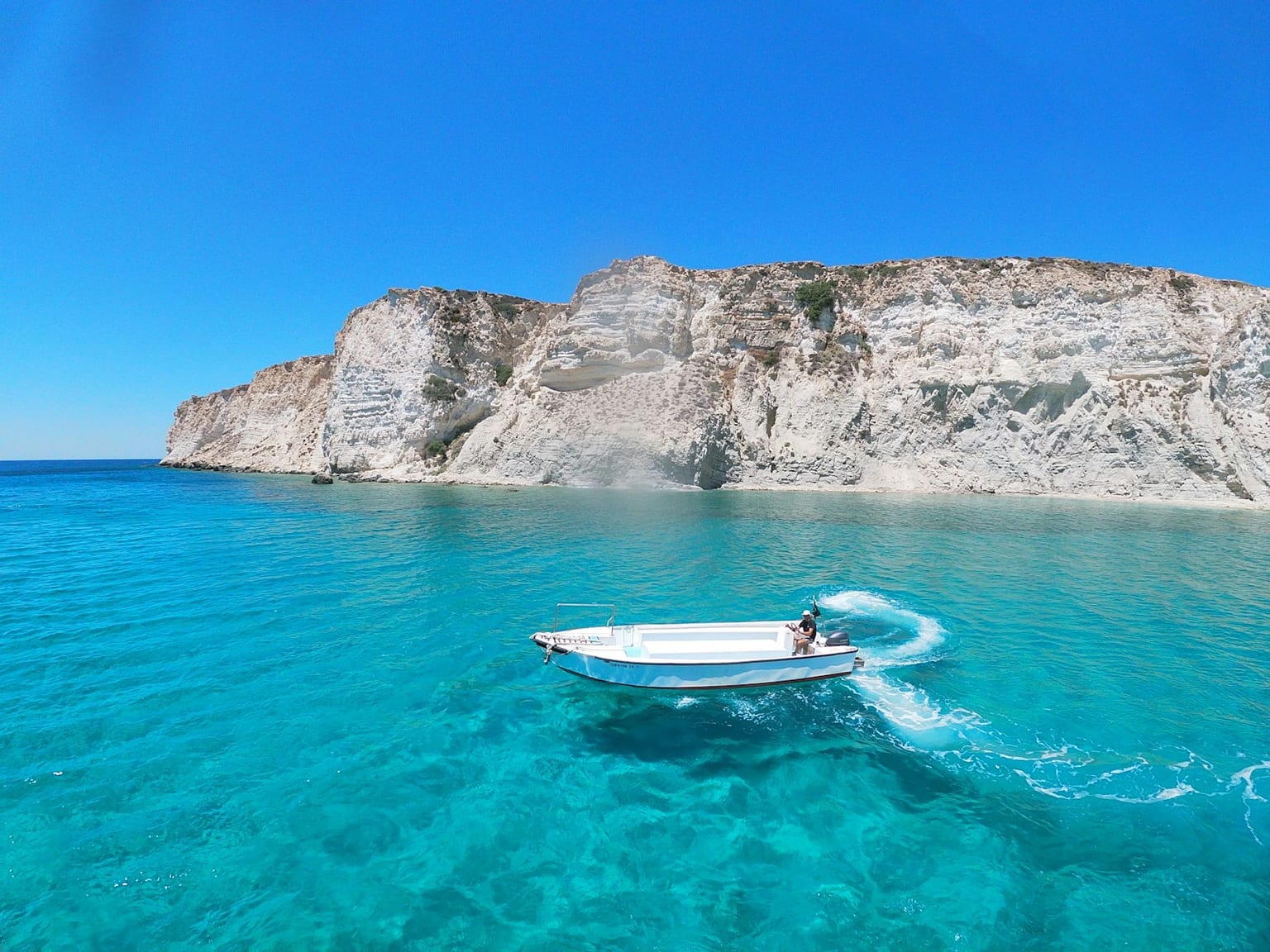
Island guide · Crete
Crete Travel Guide: Is Crete Right for You?
Crete suits road-trippers, hikers, families and food lovers who want a big island with depth. Skip it if you want a small, walkable island. Honest guide.
Crete at a glance
Go if: Road trips · Hikers · Families · Food and wine · History · Long stays
Skip it if: Non-drivers · People wanting a single walkable island · Short two-night hops
Getting there: Two main airports, Heraklion (HER) and Chania (CHQ), plus overnight ferries from Piraeus taking about 9 hours, or faster daytime services around 6.5 hours in summer.
Crete is right for you if you want variety: mountains, gorges, Minoan palaces, Venetian harbors, some of the best beaches in Greece and food that people fly in for, all on one island. It is the wrong choice if you want the compact, car-free, whitewashed-village feel of a small Cycladic island, or if you would rather not drive.
Crete at a glance
- Island group: Crete is its own region, the largest Greek island, about 260 km long, at the southern edge of the Aegean
- Getting there: Two main airports, Heraklion (HER) and Chania (CHQ), plus a small one at Sitia (JSH); overnight ferries from Piraeus take about 9 hours to Heraklion or Chania (Souda), with faster daytime services around 6.5 hours in summer
- Best for: Road trips, hikers, families, food and wine, history, long stays
- Not for: Non-drivers, people wanting a single walkable island, short two-night hops
- Best months: May, June, late September, October
- Price level: Mid, with plenty of Budget options
- Size & getting around: Huge. A car is close to essential; buses are good along the north coast but slow elsewhere. Driving from Chania to Heraklion takes about 2 hours on the highway
Who Crete is for
Crete is for people who like to move. Rent a car and you can walk the Samaria Gorge, swim in the pink-tinged lagoon at Elafonisi, eat lamb cooked in a wood oven in a mountain village, and stand in the throne room at Knossos, all without a ferry. The White Mountains rise to 2,450 meters within sight of the beaches.
Families do particularly well here. The north-coast resorts around Rethymno, Georgioupoli and Hersonissos have long shallow beaches, and prices are far below the Cyclades. Food lovers should know that Cretan cooking, with its dakos, wild greens, snails, raki and staka, is arguably the best regional cuisine in Greece, and it is cheap.
Who should skip Crete
If you picture your Greek holiday as a small harbor, a few whitewashed lanes and everything within a ten-minute walk, Crete will feel like a country rather than an island. Elafonisi and Vai, the two most famous beaches, are 300 km apart.
Skip it too if you will not drive. Buses cover the main towns but the good parts of Crete, the villages, gorges and southern beaches, are hard to reach without a car.
What to actually do on Crete
Chania old town and the west
The Venetian harbor at Chania, with its lighthouse, mosque and covered market, is the most beautiful town in Crete. Use it as a base for Balos, Falasarna and Elafonisi, each about 90 minutes away by car.
Samaria Gorge
The 16 km hike from the Omalos plateau down to Agia Roumeli on the Libyan Sea is the classic Cretan day, open roughly May to October. Allow five to seven hours, then take the boat to Chora Sfakion. The Imbros gorge is the easier alternative.
Knossos and the Heraklion Archaeological Museum
Knossos is the largest Bronze Age palace in Greece, 5 km from Heraklion. The museum in town holds the original frescoes and the Phaistos Disc.
The south coast
Loutro, Sougia and Agia Roumeli have no through roads and a slow pace the north coast lost decades ago. Further east, Matala, Plakias and the palm-lined Preveli beach are reachable by car.
Mountain villages and food
Drive up to the Lassithi plateau, Anogeia in the Psiloritis foothills, or the wine villages of Archanes and Peza south of Heraklion. Order whatever the taverna is cooking that day and accept the raki.
Where to stay on Crete
- Chania: Best-looking town, gateway to the western beaches and gorges; first-timers and couples
- Rethymno: Long beach beside an old town, central for both halves of the island; families
- Heraklion and the Knossos area: Ferry and flight hub, museums, wine country nearby; history-focused and short stays
- Elounda and Agios Nikolaos: Sheltered bay in the east, upscale hotels, calm water; luxury and honeymoons
When to go
May and June give you gorges in full flow, wildflowers on the plateaus, sea temperatures reaching 22 to 23 C by June and hotel prices well below August. Late September and October are the best beach months: the sea is at its warmest, around 24 to 25 C, the north wind has eased, and the light is soft.
July and August are hot on the north coast and fiercely hot in the interior, with the meltemi blowing across the north coast beaches on many afternoons. The south coast is sheltered from it. Crete also works from November to March: the cities stay fully open, hiking is at its best and snow sits on the peaks.
Getting there and around
Heraklion (HER) is one of Greece’s busiest airports, with direct summer flights from almost every European country and year-round flights from Athens; Chania (CHQ) has a similar but smaller range, particularly from the UK, Germany and Scandinavia. Consider flying into one and out of the other.
Overnight ferries from Piraeus (Minoan Lines and ANEK/Superfast) reach Heraklion or Souda near Chania in about 9 hours, with cabins available; summer daytime sailings are faster. Summer ferries also link Heraklion with Santorini, Mykonos, Paros and Naxos. On the island, rent a car; the north-coast highway is fast, mountain roads are slow but good.
Crete vs the alternatives
Rhodes offers the same mix of history, resorts and reliable sun in a more manageable size, and Naxos is the Cycladic choice if you want mountains, villages and big beaches with a smaller footprint. Kefalonia in the Ionian gives you a similar green, mountainous road-trip feel with more forest and less archaeology. For families in particular, see our guide to the best Greek island for families.
Booking Crete
The links below are affiliate links: we earn a commission if you book, at no extra cost to you. They change nothing about what this guide says. See how we make money.
- A car: Not optional. Everything in this guide — the gorges, the south coast, Balos — needs one, and August availability goes weeks ahead. Localrent works with Cretan suppliers rather than the international chains, which usually means a smaller deposit.
- Flights: Heraklion (HER) and Chania (CHQ) both take direct flights from most of Europe. Check both airports before booking — the price gap is often large. Compare on Aviasales.
- Knossos: The queue at Knossos in July is the worst on the island. Skip-the-line tickets on Tiqets.
Still not sure? Take the 2-minute Greek island quiz and we will match you with the island that actually fits how you like to travel, whether that turns out to be Crete or somewhere you had not considered.
Not sure yet? Take the 2-minute quiz
Frequently asked questions
Is Crete expensive?
No, not by island standards. Outside Elounda, Crete is one of the better-value destinations in Greece: tavernas commonly charge 10 to 15 euros for a main, rooms in villages start under 60 euros, and car hire is competitive because of the volume.
How many days do you need in Crete?
A week is the minimum to see one half of the island properly. Ten days to two weeks lets you do west and east with a change of base.
Does Crete have an airport?
Yes, three. Heraklion (HER) and Chania (CHQ) both have international flights, and Sitia (JSH) in the far east has a handful of domestic services.
Last updated 2026-09.