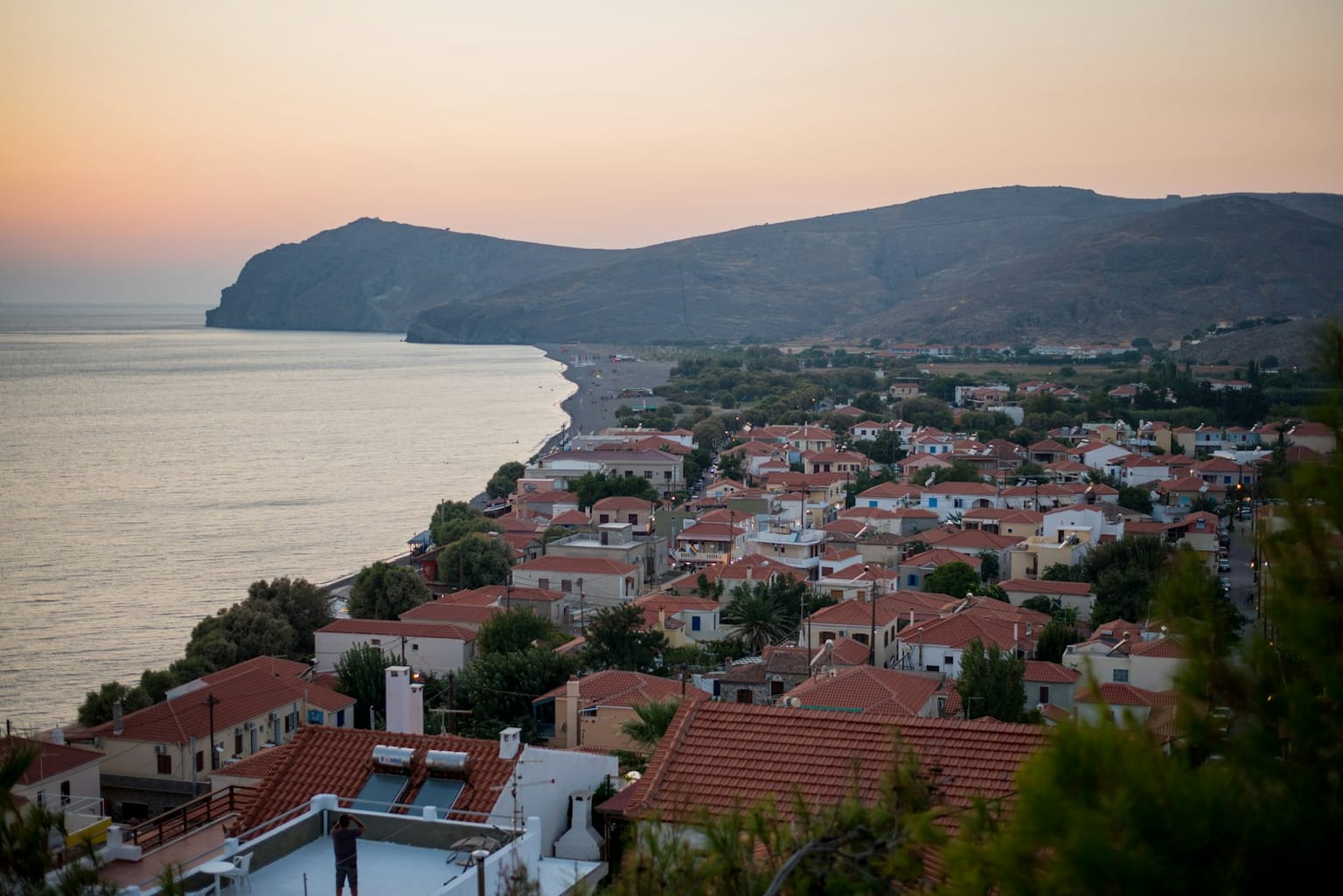
Island guide · the North Aegean
Lesbos Travel Guide: Is Lesbos Right for You?
Lesbos suits slow travelers, birdwatchers, walkers and food lovers wanting an authentic, cheap, huge island. Not for beach-hopping or nightlife. Guide.
Lesbos at a glance
Go if: Slow travelers · Birdwatchers · Walkers · Ouzo and food enthusiasts · LGBTQ travelers heading to Skala Eressos
Skip it if: Beach-hoppers without a car · Nightlife · First-time Greece visitors wanting the postcard
Getting there: Mytilene International Airport (MJT) has year-round flights from Athens (about 50 minutes), or an overnight ferry from Piraeus (9 to 13 hours).
Lesbos is right for you if you want a huge, authentic island where tourism is a sideline rather than the whole economy: hot springs, a petrified forest, ouzo distilleries, world-class birdwatching and villages that feel like the mainland. It is not for anyone who wants pretty beaches within walking distance of a lively strip, or who expects the Cyclades on a bigger scale.
Lesbos at a glance
- Island group: North Aegean, opposite the Turkish coast; the third largest Greek island
- Getting there: Mytilene International Airport (MJT), 8 km south of the capital; ferries from Piraeus to Mytilene take 9 to 13 hours, mostly overnight
- Best for: Slow travelers, birdwatchers, walkers, ouzo and food enthusiasts, LGBTQ travelers heading to Skala Eressos
- Not for: Beach-hoppers without a car, nightlife, first-time Greece visitors wanting the postcard
- Best months: April to June and September to October
- Price level: Budget
- Size & getting around: 1,633 sq km with two enormous gulfs cutting into it. A car is essential; Mytilene to Molyvos is 60 km and about 90 minutes, Mytilene to Sigri nearly 100 km
Who Lesbos is for
Lesbos (Lesvos in Greek) rewards people who treat an island like a country. Around 85,000 people live here among 11 million olive trees, and the capital Mytilene is a real university town with a working port and Ottoman mansions. If you enjoy driving to a village because you read about its cheese, you will be happy.
Naturalists come for the Kalloni wetlands, which in April and May host flamingos, black storks and passing migrants in numbers that draw birding tours from across Europe. Hikers get the Lepetymnos slopes above Molyvos, and anyone who likes a long soak has five natural hot springs, with Eftalou and Polichnitos the best known.
It is also the home of ouzo. Plomari on the south coast produces the most famous brands, and distillery visits are genuinely interesting. Add Kalloni sardines and ladotyri cheese and you have one of the best food islands in Greece that nobody talks about.
Who should skip Lesbos
Beach quality is uneven. Vatera is an impressive 8 km strip of sand and Skala Eressos, birthplace of Sappho, has a wide sandy beach and a long-established LGBTQ scene, but many beaches are gray pebble and none rival Milos or Naxos. Distances are long, roads are slow, and without a car you will see a fraction of the island.
Be honest with yourself about the migration story too. Lesbos was the front line of the 2015 refugee crisis and the Moria camp made headlines for years. The current facilities are on the outskirts of Mytilene and have no effect on a holiday; the island is calm and quietly getting on with life.
What to actually do on Lesbos
Wander Molyvos
Mithymna, universally called Molyvos, is the showpiece: stone houses climbing to a Genoese castle, a harbor of fish tavernas and the best sunset on the island. Stay a few nights and walk to the Eftalou hot springs 4 km east.
Visit the petrified forest at Sigri
The far west of the island is a volcanic moonscape where 20 million year old trees stand fossilized where they grew. The Natural History Museum in Sigri is excellent, and Sigri itself has a fine sandy beach and almost no tourists.
Birdwatch on the Gulf of Kalloni
The salt pans and river mouths around Skala Kalloni are the best birding site in the Aegean. Even non-birders will enjoy the flamingos and the sardine tavernas.
Drive the ouzo trail to Plomari
Plomari’s distilleries offer tastings and tours. The mountain village of Agiassos, on the slopes of Mount Olympus (968 m), has a famous pilgrimage church, chestnut forests and pottery workshops.
Where to stay on Lesbos
- Molyvos: the most beautiful base, best for couples and first-timers to the island.
- Petra: 5 km from Molyvos with a sandy beach and cheaper family rooms.
- Skala Eressos: beach village with a bohemian vibe, ideal for long slow stays.
- Mytilene: the port town with year-round restaurants and bars, handy for arrival nights and off-season trips.
When to go
Spring is the star season. April and May bring wildflowers, bird migration and 20 to 25 C days, though the sea is still cold at 17 to 19 C. June is warm and quiet. July and August are hot, 33 to 37 C inland, and the meltemi blows less fiercely here than in the Cyclades, so swimming is rarely blown out. September and October are ideal, with the sea at 23 to 24 C and the ouzo and olive harvests underway. Winter is genuinely wet and cool, and the tourist villages mostly close, but Mytilene stays lively year-round.
Getting there and around
Mytilene Airport (MJT) has year-round Aegean, Olympic and Sky Express flights from Athens (about 50 minutes) and Thessaloniki, plus direct summer flights from the Netherlands, Germany, Austria, Belgium and Scandinavia. Direct UK flights are limited and vary by year. Overnight ferries from Piraeus take 9 to 13 hours, and there are links to Chios, Limnos and Thessaloniki. On the island, hire a car; the KTEL bus links the main towns only a few times a day.
Lesbos vs the alternatives
Samos is the closest comparison: greener, more mountainous, with better beaches and easier flights, but less food culture and fewer hidden corners. Crete offers the same big-island freedom with dramatically better beaches and infrastructure at a higher price. Ikaria is smaller and more eccentric with a similar off-grid feel. If you are choosing purely on cost, Lesbos features prominently in our roundup of the cheapest Greek islands.
Booking Lesbos
The links below are affiliate links: we earn a commission if you book, at no extra cost to you. They change nothing about what this guide says. See how we make money.
- A car: Lesbos is the third-largest Greek island and nothing here is close together — Molyvos to Sigri is a serious drive. Localrent.
- Flights: Mytilene (MJT) takes direct summer flights and frequent domestic connections. Compare fares on Aviasales.
Still not sure? Take the 2-minute Greek island quiz and find out whether a big, unpolished island like Lesbos really matches how you travel.
Also in the North Aegean
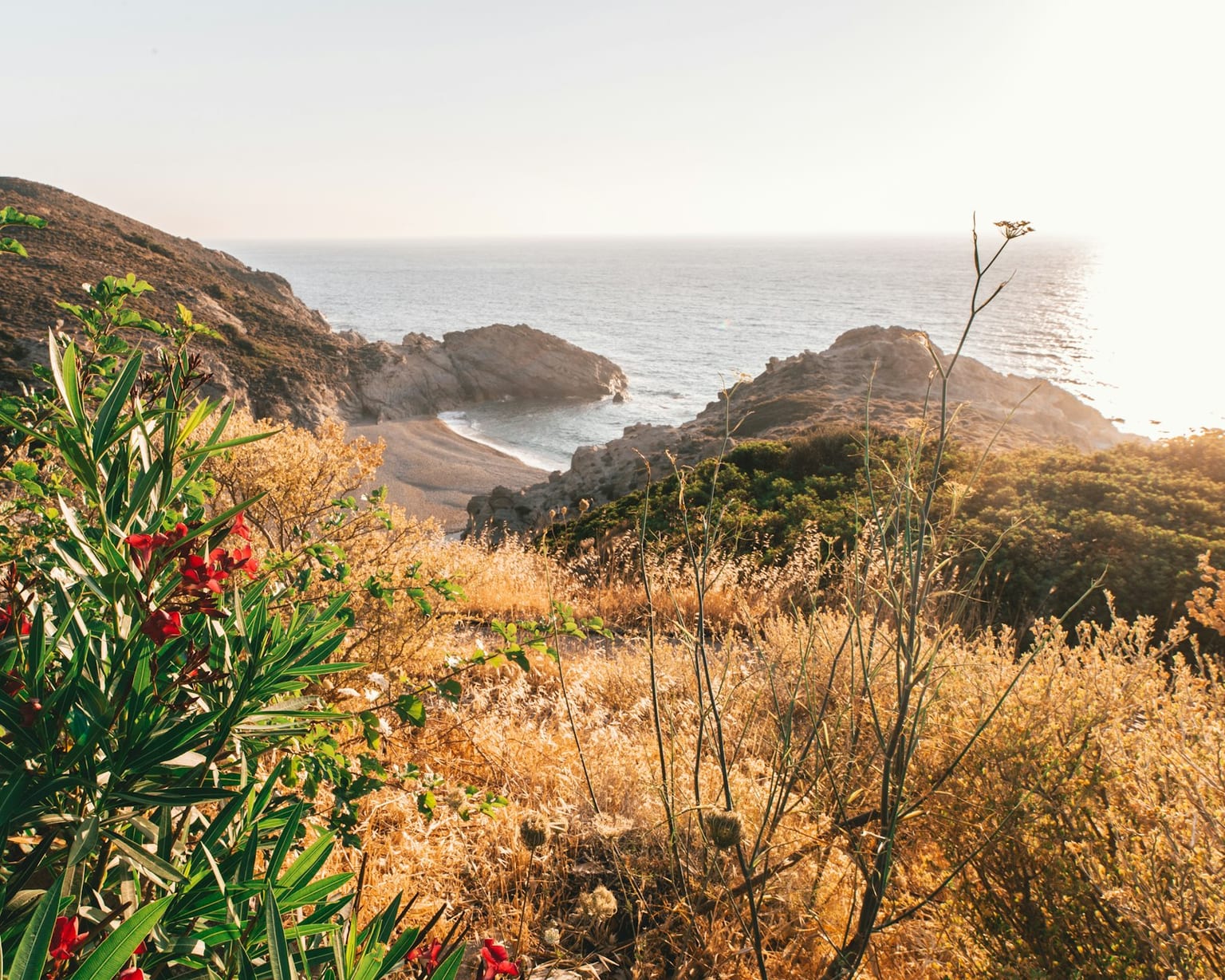
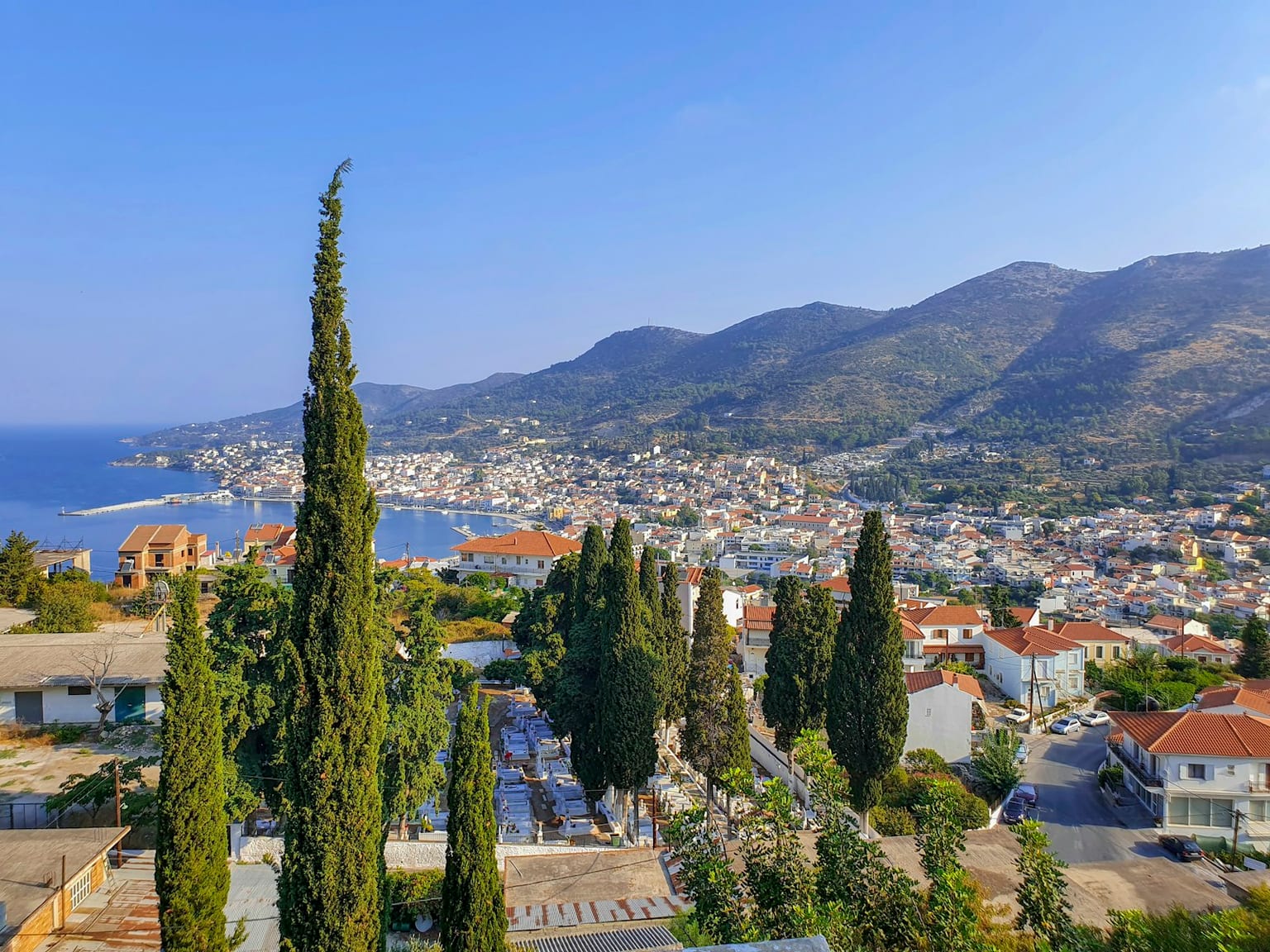
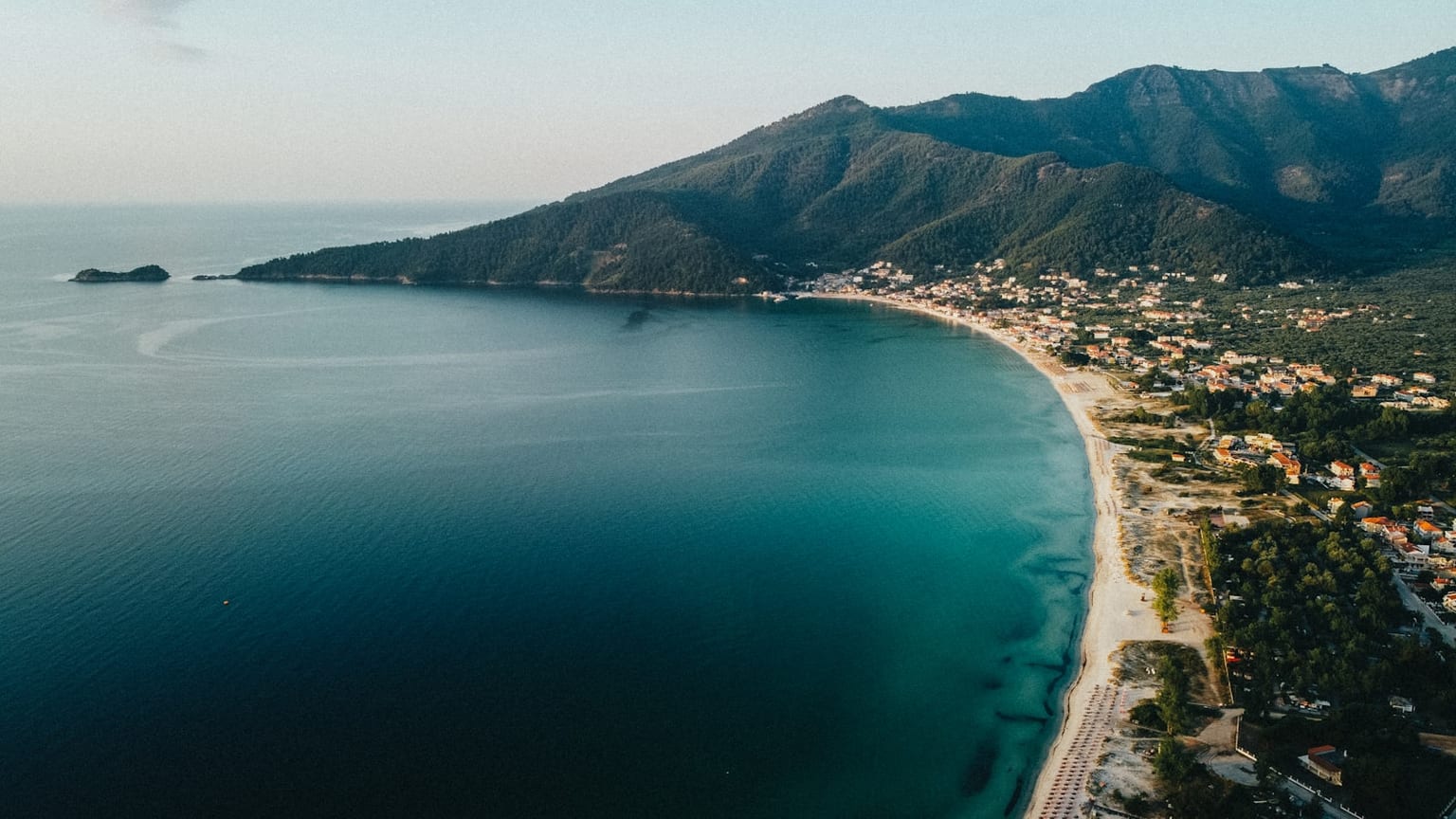
Not sure yet? Take the 2-minute quiz
Frequently asked questions
Is Lesbos safe to visit?
Yes. Lesbos is one of the safest and least touristy large islands in Greece. The refugee reception center is near Mytilene and has no bearing on visitors; the tourism villages of Molyvos, Petra and Eressos are 60 to 90 km away and entirely normal.
How many days do you need in Lesbos?
A week minimum, ideally ten days. The island has three distinct regions, the north around Molyvos, the west around Sigri and Eressos, and the south around Plomari and Vatera, and each is a long drive from the others. Splitting your stay between two bases makes sense.
Does Lesbos have an airport?
Yes. Mytilene International Airport Odysseas Elytis (MJT) is 8 km south of Mytilene town. It has domestic flights all year and a modest number of direct European charter and low-cost flights from May to October.
Last updated 2026-09.